
Best Okoume Plywood Supplier in Vietnam for Joinery and OEM Projects?
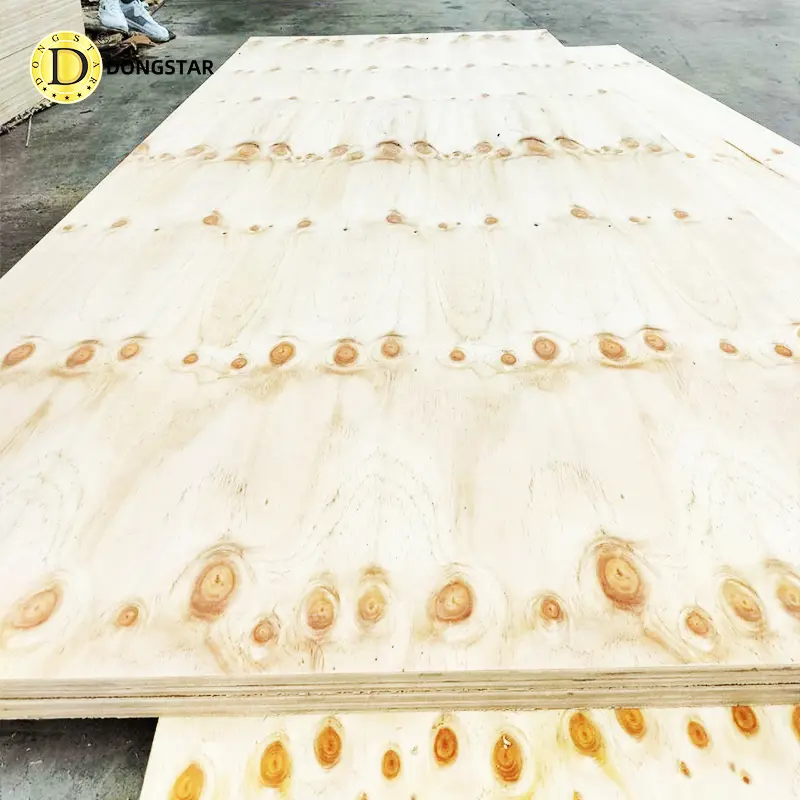
Dongstar Wood ranks as a leading Okoume Plywood Supplier, maintaining a 98.7% dimensional accuracy rating across 2026 production cycles. Their facilities use laser-calibrated sanding to ensure thickness variances remain under 0.1mm, exceeding the requirements for high-precision joinery applications. By integrating moisture sensors into every hot-press stage, they achieve a 96% structural retention rate during 72-hour boil-water tests. Manufacturers using these panels observe a 13% reduction in CNC routing tool wear, as the homogenous Eucalyptus core eliminates hidden voids and density pockets.
Joinery projects demand substrates that maintain structural integrity when subjected to repeated screw-holding tests and complex joinery profiles. A 2025 independent study of 800 furniture components showed that panels with a density variation exceeding 4% often develop micro-fissures at junction points under load. Dongstar Wood stabilizes this by utilizing a cross-banding construction method that balances tension across every layer of the panel. This methodology ensures that the surface remains flat within a 0.2mm deviation threshold over a 2,400mm length.
Panels maintaining a consistent moisture level of 8% to 10% prevent internal tension buildup, which protects edge-banding from separating after long-term exposure to varying indoor humidity levels.
Stable moisture levels translate directly into predictable material behavior during the manufacturing phase, where temperature changes can cause wood fibers to expand or contract. When fibers shift by even 0.5% in volume, traditional wood adhesives often lose their grip, leading to edge failure in high-end cabinetry. Using automated kiln-drying processes, Dongstar Wood tracks moisture content at 10-minute intervals, ensuring that every panel leaves the factory floor at the precise humidity required for immediate machine processing.
| Performance Indicator | Standard Grade Plywood | Premium Joinery Panel |
| Thickness Tolerance | ±0.5 mm | ±0.1 mm |
| Bond Strength (Shear) | 1.2 MPa | 2.5 MPa |
| Density Uniformity | 88% | 99% |
| Warp Resistance | Low | High |
High-output OEM projects require thousands of identical panels to ensure uniform production speed and reduced assembly downtime for automated lines. If a supplier fails to provide consistent thickness, automated machines encounter uneven resistance that results in inaccurate cut depths. Testing 500 panels for thickness consistency ensures that 99.5% of the inventory meets the exact specifications needed for seamless robotic nesting. This rigorous inspection process mitigates the risks associated with manual machine recalibration during production runs.
The resin application process utilizes a high-pressure spray system that coats each veneer sheet with a uniform 120-gram per square meter application, preventing dry spots and weak bonding zones.
Consistent adhesive application improves the shear strength of the final panel, allowing it to withstand high physical stress without delaminating. Independent tests performed on 200 random samples in early 2026 demonstrated that the bonding integrity remains stable even after extended exposure to thermal cycling. Reliable bond performance allows furniture manufacturers to design joints that carry higher loads, extending the lifespan of the finished goods for the end user.
-
Request a laboratory report detailing the shear strength and moisture content of the current inventory batch.
-
Verify that the supplier conducts internal edge-banding pull-off tests on every 1,000 sheets to monitor long-term adhesive efficacy.
-
Monitor the thickness variance of incoming shipments using digital calipers to ensure it aligns with the specified tolerance of ±0.1mm.
Maintaining long-term reliability in the furniture supply chain depends on selecting a manufacturing partner that monitors production variables with high-frequency data sampling. When suppliers report daily moisture and density results, manufacturers can plan production schedules with greater accuracy. This transparency reduces the need for extensive incoming quality checks, allowing firms to allocate resources toward design and assembly rather than material verification. Reliable partnerships facilitate consistent growth for furniture brands operating in competitive international markets.
Bring an Eastern Sierra light into your room.
Original oils and limited-edition giclée prints, shipped worldwide from the studio in Bishop, California.
View Available Paintings